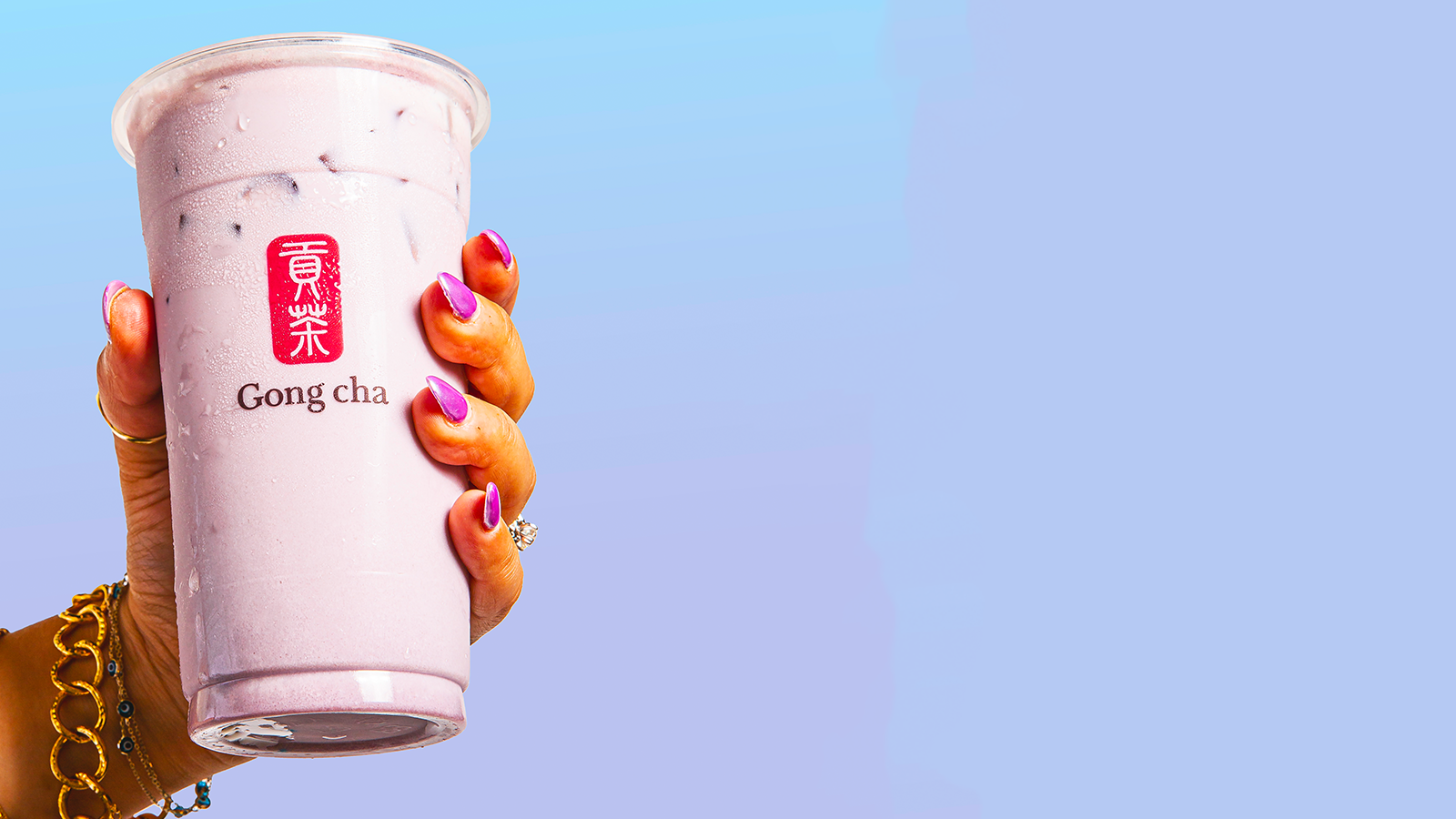
Taro Milk Tea: The Sweet, Purple Drink Taking Over the World
Some drinks just stop the scroll. Taro milk tea is one of them. With its dreamy lavender-purple hue, creamy texture, and one-of-a-kind flavor, it has become one of the most recognized and beloved drinks in boba culture worldwide. From bubble tea shops across the US to viral TikTok videos and everything in between, the taro craze is real, and it is not slowing down.
But what exactly is taro milk tea, and why does it have such a devoted following? At Gong cha, taro is more than a trend. It is a cornerstone of our menu. Here is everything you need to know about this iconic purple drink: from the root it comes from to the toppings that make every sip worth savoring.
What is Taro? The Root Behind the Purple Drink
Taro (Colocasia esculenta) is a starchy root vegetable that has been cultivated across Southeast Asia, South Asia, and the Pacific Islands for thousands of years. One of the oldest crops in human history, it has been a dietary staple in countries like Japan, the Philippines, and Hawaii long before it ever appeared in a bubble tea cup.
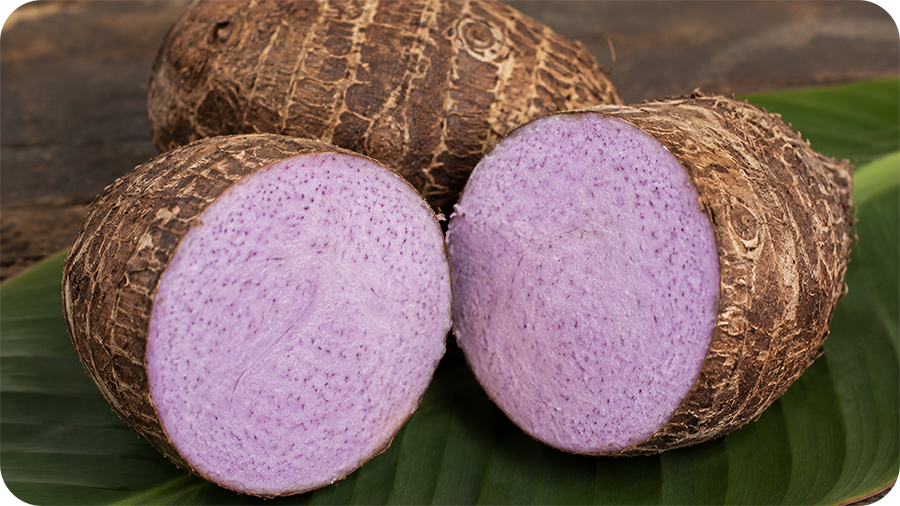
Visually, taro looks similar to a rough-skinned potato. Slice it open and you find a pale white or light purple flesh with delicate purple speckling, a natural feature that gives taro milk tea its distinctive lavender color. While taro powder is commonly used in beverages to deliver a smooth, consistent purple hue, it is the flavor of the root itself that makes taro tea so uniquely craveable: mildly sweet, earthy, and distinctly nutty.
At its heart, taro is an ingredient with serious depth, and that depth translates beautifully into every cup.
What is Taro Flavor? What Does It Actually Taste Like?
This is the question most first-timers ask before their very first sip. The flavor of taro is genuinely difficult to compare to anything else, which is part of why it has such a loyal following.
The best way to describe it: sweet, nutty, and vanilla-like, with a subtle earthiness that keeps it from being cloying. Some say it tastes like a cross between vanilla and sweet potato, while others detect notes reminiscent of cookies and cream or a hint of coconut. It has a warmth and richness that sets it apart from the bright citrusy notes of fruit teas or the bold bitterness of straight black tea.
When taro is blended into a taro bubble tea with creamy milk, that flavor deepens. The milk rounds out the nuttiness, the taro adds body and richness, and the result lands somewhere between a dessert and a beverage. Comforting without being heavy, satisfying in a way that keeps people coming back for another cup.
Why Taro Bubble Tea is a Fan Favorite
Part of taro milk tea's global rise comes down to aesthetics. That soft lavender-purple color is deeply photogenic, and in the age of Instagram and TikTok, a visually stunning drink travels fast. But the taro bubble tea craze has lasted because the flavor delivers on the visual promise, and then some.
At Gong cha, our Taro Milk Drink is crafted to bring out the best of this beloved ingredient. We blend taro with our signature creamy milk base and freshly brewed tea for a drink that is rich, smooth, and satisfying with every sip. Sweetness level and ice level are fully customizable, whether you prefer 50% sweetness with less ice or a full-sweet, full-ice indulgence. Your perfect cup is exactly one order away.
The taro series does not stop at the classic. Gong cha offers multiple taro-forward drinks across our menu, giving fans plenty of ways to enjoy this fan-favorite flavor.
Does Taro Tea Have Caffeine?
Great news for those who want a flavorful drink without the caffeine buzz: taro root itself contains zero caffeine. Taro tea is naturally caffeine-free at the ingredient level.
Whether your taro milk tea has caffeine depends on the tea base it is made with. At Gong cha, our Taro Milk Drink is typically prepared with a black or green tea base, both of which contain moderate caffeine levels. If you want all the creamy, nutty flavor without any caffeine, just let your barista know. For a full breakdown of caffeine across our menu, check out our guide on does bubble tea have caffeine, which covers everything from tea base comparisons to naturally caffeine-free options.
The Best Toppings for Taro Milk Tea
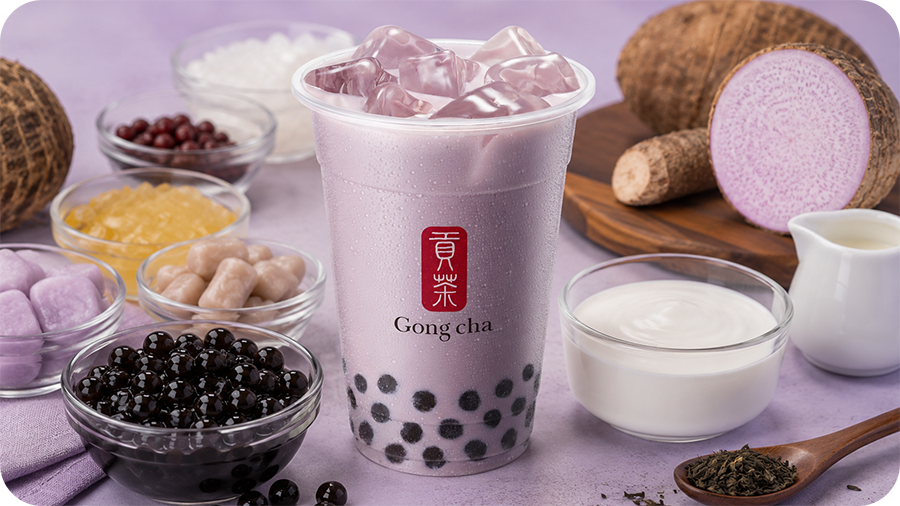
A great taro milk tea is already a complete experience. But the right topping takes it from excellent to unforgettable. Here are the combinations we love most:
Classic Tapioca Pearls (Boba)
The traditional choice, and for good reason. The chewy, caramelized sweetness of black tapioca pearls pairs perfectly with the creamy, nutty flavor of taro. Each pearl is cooked fresh in-store and soaked in brown sugar syrup for that signature chew. This is the combination that built bubble tea culture, and there is a reason it has never gone out of style.
Milk Foam
If you want to elevate your taro tea into something truly special, add a layer of Gong cha's signature milk foam on top. The lightly savory-sweet creaminess of the foam creates a beautiful contrast with the sweeter taro base below. Sip through the foam first, or give it a stir. Either way, you will not be disappointed.
Looking for something different? Grass jelly and lychee jelly are both excellent with taro, adding texture and subtle sweetness that complement the nutty base without competing with it. Part of the fun of taro milk tea is making it yours.
Ready to try taro milk tea for the first time, or looking to rediscover a favorite? Order online or find a Gong cha near you and experience a perfectly crafted cup made fresh, just for you.